

Plate-style hash is built for longevity, yet improper storage can still flatten terpenes, darken color, and dull potency long before its time. Shelf‑life claims for plate-style hash commonly reach 12–24 months while retaining most flavor and strength, but only if you manage temperature, oxygen, and handling with intention.
Key Takeaways
| Question | Short Answer |
|---|---|
| How long can plate-style hash stay fresh? | With proper storage, plate-style hash can keep most of its aroma and potency for 12–24 months, and many connoisseurs age plates for years. |
| What is the ideal temperature for storing Cali Plates? | Aim for 10–20°C (50–68°F) in a dark, stable environment for premium Cali Plates from ranges such as Cali Plates static dry. |
| Why are airtight containers essential? | Oxygen exposure can strip up to about 25% of terpenes in the first month, so we always recommend tight glass or metal containers. |
| How do I store premium static sift plates? | Wrap plates in parchment, seal in glass, and keep in a cool, dark drawer or mini‑fridge, similar to how we handle our Order Cali Plates Hash Now selections. |
| Where can I learn about our storage standards? | Our approach to preservation is explained in detail on our About Us page, where we outline how we handle plate-style hash before it reaches you. |
| Can I age plate-style hash like temple balls? | Yes, many collectors age plates and temple-ball style pieces for several years when stored as carefully as the hashes listed in our Shop. |
1. What Makes Plate-Style Hash Different, And Why Storage Matters
Plate-style hash is pressed and formed into slabs or plates, similar to refined temple-ball formats, which are known to age gracefully over time. Authentic hashes in this family frequently test around 50–70% THC, so careless storage means losing a significant share of that nuanced intensity. These plates are often produced from premium static sift or dry sift, such as our Cali Plates lines, where the resin heads are already carefully separated. Once shaped, the plate becomes a compact environment that either protects or sacrifices terpenes depending on how you store it.
- Higher surface area than a puck means more risk of oxidation if left exposed.
- Pressed structure can protect inner resin if the outer layer is shielded correctly.
2. Ideal Temperature And Humidity For Plate-Style Hash Preservation
Temperature stability is the first pillar of preservation. For plate-style hash, a 10–20°C (50–68°F) range is widely recommended for long‑term storage, since higher heat accelerates cannabinoid degradation and terpene loss. Humidity also plays a key role in keeping texture consistent. The ideal relative humidity band is about 58–62% RH, which is enough to prevent plates from drying into brittle wafers yet low enough to avoid any risk of moisture‑related issues.
| Factor | Ideal Range | Effect On Plates |
|---|---|---|
| Temperature | 10–20°C (50–68°F) | Preserves terpenes and prevents greasy melt or sugar‑like drying. |
| Humidity | 58–62% RH | Maintains workable, pliable texture and clean break. |
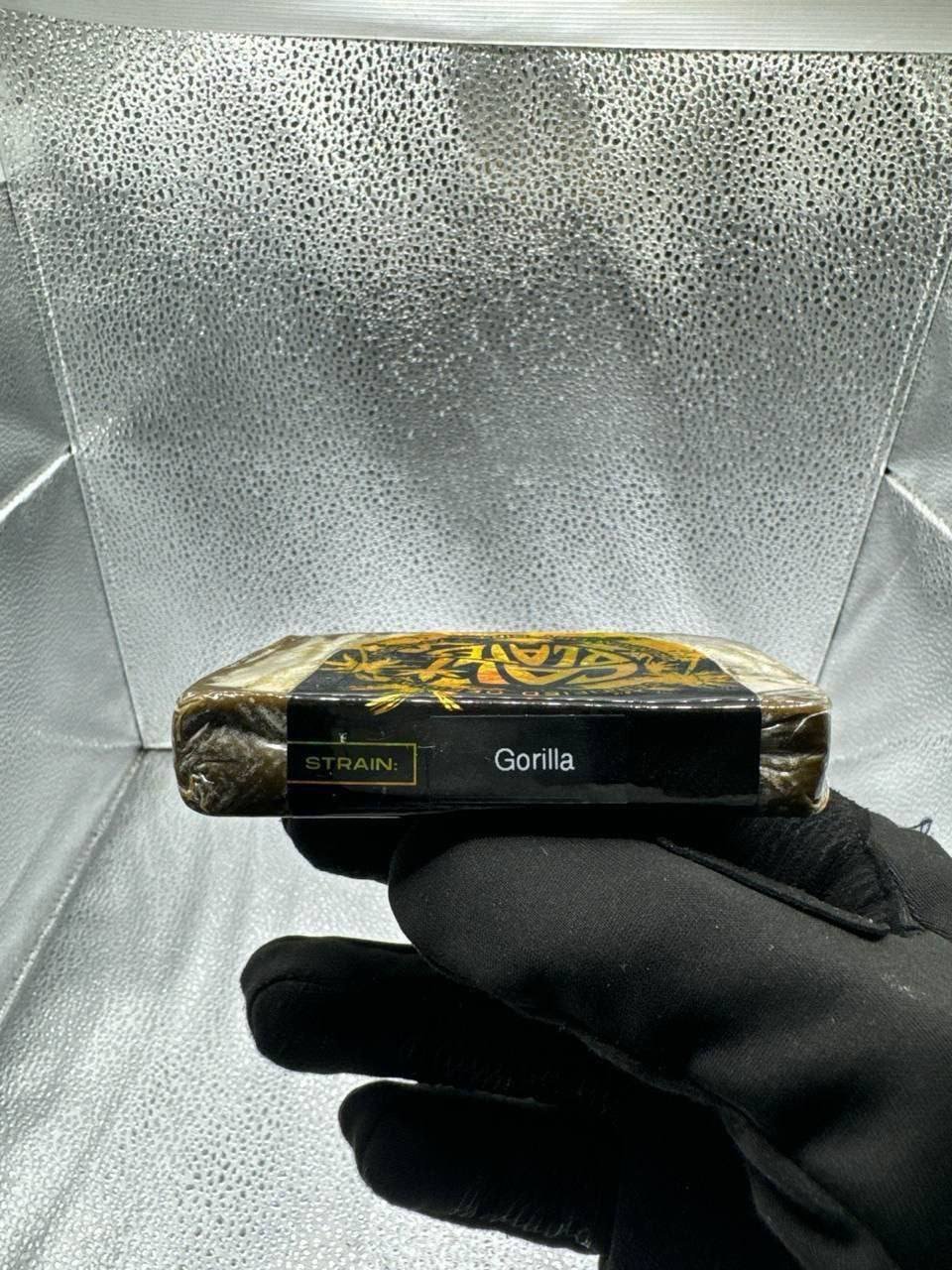
When you Buy Cali Plates Hash, such as the powerful Gelato 41 Cali Plates Hash, keeping it in that band means your plate arrives and stays exactly as intended. This range suits both fresh premium static sift plates and older pieces you choose to age.

3. Oxygen, Light, And Why Airtight Storage Is Non‑Negotiable
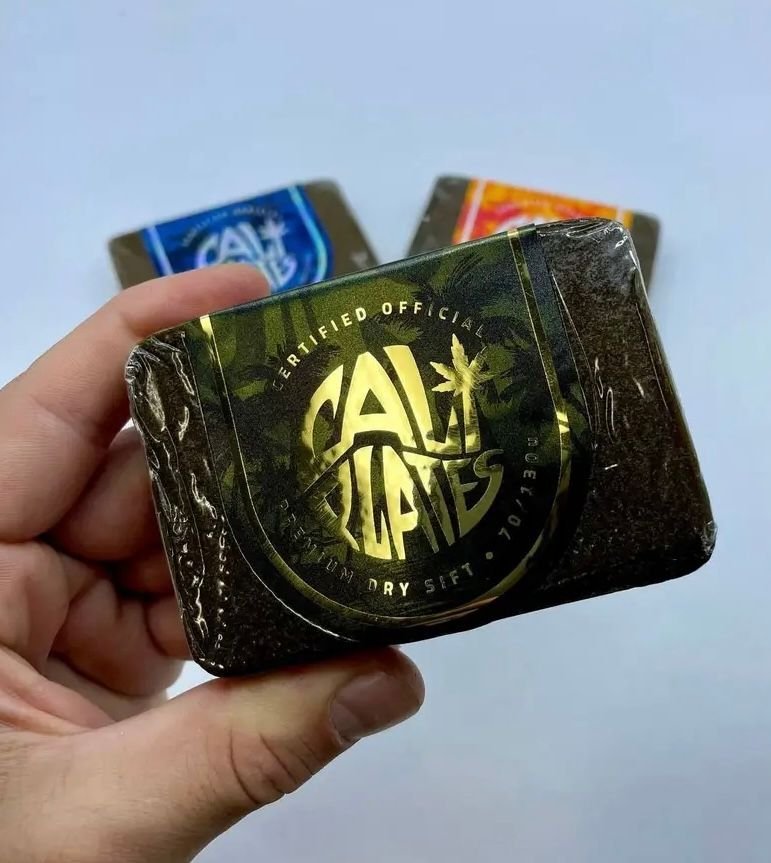
Oxygen and light are the main reasons a once‑vibrant plate can turn dull, harsh, and flat within months. Oxygen exposure alone can cost up to about 25% of terpenes in the first month if you leave a plate unsealed, which is unacceptable for connoisseur‑level material. We always recommend a layered approach. First, wrap the plate in parchment, then seat it inside a tight glass jar or metal tin, and finally keep that container in a dark drawer or box away from direct light.
- Parchment prevents sticking and mechanical damage.
- Glass or metal reduces oxygen exchange and smell bleed.
- Darkness protects against UV‑driven degradation.

Did You Know?
Oxygen exposure can cause up to about 25% loss of terpenes in the first month of storage, which is why we treat airtight packaging as mandatory for plate-style hash.
4. Premium Static Sift Plates: Handling, Curing, And Aging
Premium static sift plates behave similarly to traditional temple-ball hash, which often shows a shelf‑life of 12–24 months with careful handling. Short‑term curing over 1–2 weeks, followed by a longer 1–3 month rest in a dark, stable environment, helps the plate settle and develop a deeper aromatic profile. For those who like to treat plates as collectors’ pieces, long‑term aging comes into play. Temple-ball and plate‑style hashes are frequently aged for 3–5 years under ideal conditions, which refines terpene expression and can soften the perceived edge of potency while maintaining strength.
For connoisseurs, aging is not about preserving raw potency at any cost, it is about guiding resin into its most harmonious expression.
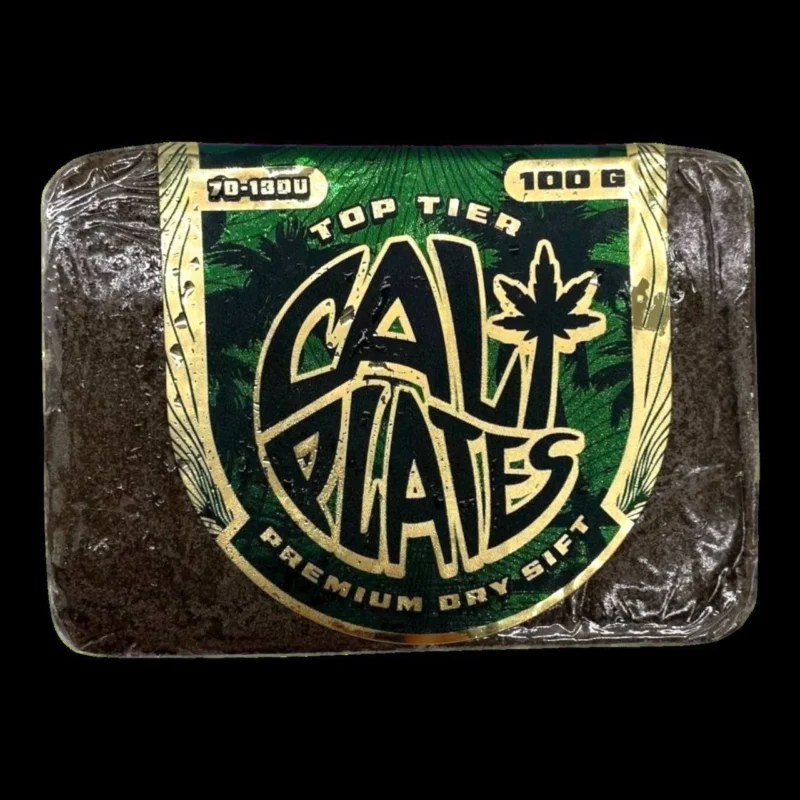
This infographic presents a 5-step process for plate-style hash storage preservation. It highlights practical tips to maintain potency and freshness.
5. Cali Plates: Storage Strategies For Frozen, Premium, And Regular Hash
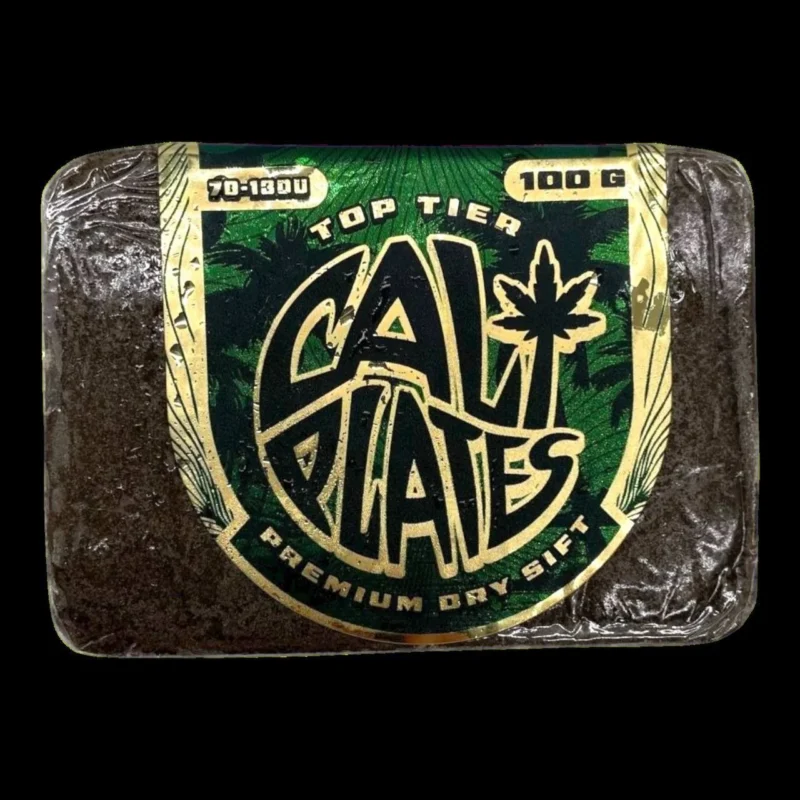
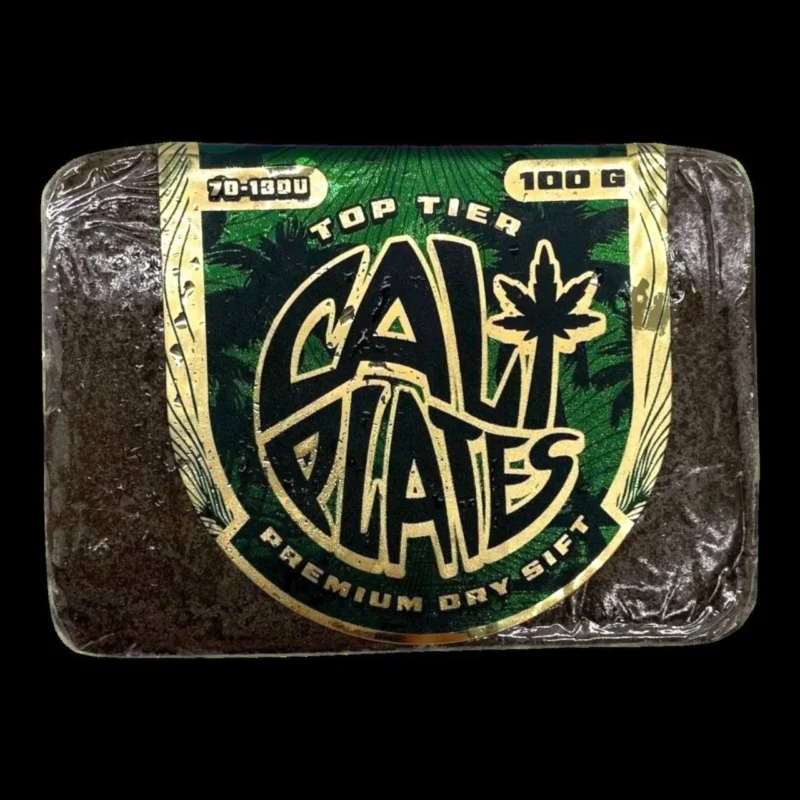
Our Cali Plates range includes regular plates, premium static sift, and frozen sift options, each with slightly different storage priorities. Frozen sift plates, such as high‑end White Runtz plates, benefit from colder storage but still dislike aggressive freezer cycles that risk condensation when opened. Premium dry sift plates prefer steady cool room temperatures and darkness, especially when you plan to age them for months. Regular plates, including accessible Gorilla or Gelato 41 slabs, still reward careful storage even if you intend to enjoy them fairly quickly.
Examples Of Plate-Style Products And Price Ranges
- Gelato 41 Cali Plates Hash from this range sits around €219.99–€3,079.83 depending on weight.
- White Runtz Cali Plates Premium Frozen Sift is listed at €300.00–€9,000.00 and deserves meticulous cold storage.
- Premium static sift plates such as Lemon Cherry Gelato occupy the €400.00–€11,000.00 bracket because of their craftsmanship.
6. L.A. Mousse And Sanfranhash Co: Preserving Artisanal Static Sift Plates
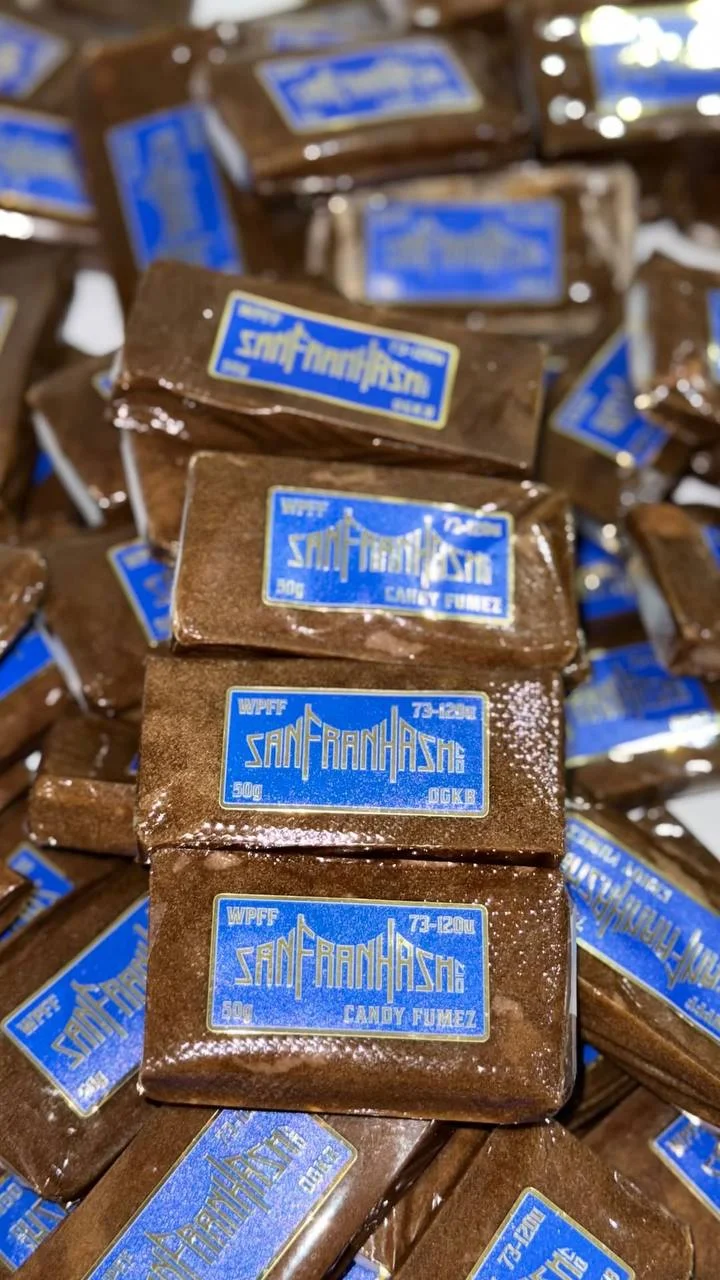
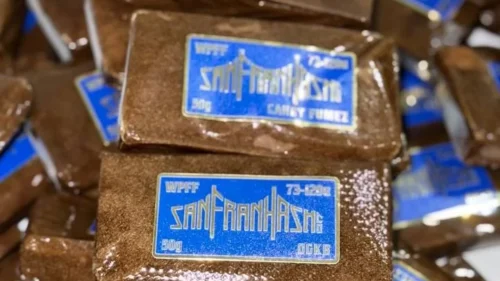
Artisanal producers like L.A. Mousse and Sanfranhash Co are known for meticulous static sift that deserves equally meticulous storage. A plate such as Gary Payton Hashish – L.A. Mousse by Cali Plates in the €200.00–€1,300.00 range pairs carefully selected material with precise pressing. Sanfranhash Co static sift lines, such as the Khalifa Mints variants, also sit in a premium tier between €350.00–€1,300.00. For plates like these, we recommend limiting open‑air exposure to the shortest time possible when portioning, then returning the remainder to its sealed environment.
Handling Routine For High-End Static Sift Plates
- Remove plate from cold or dark storage and let it adjust briefly to room temperature before unsealing.
- Cut or break only the portion you intend to use that week.
- Re‑wrap the main slab in clean parchment and return it to the jar immediately.

7. Short‑Term Versus Long‑Term Storage: Planning Your Plate Usage
How you store plate-style hash depends on whether you plan to enjoy it within weeks or keep it for months or years. For short‑term use, a cool, dark cupboard with a sealed jar is usually enough, especially if you only open it a few times per week. For long‑term preservation, we favor a dedicated storage box or mini‑fridge set in the 10–15°C range, with plates double‑wrapped and separated to avoid any compression marks. This approach is particularly important for premium static sift plates you may not resupply easily.
| Time Horizon | Recommended Method | Best Use Case |
|---|---|---|
| 0–4 weeks | Jar in dark cupboard, stable room temp. | Daily or weekly enjoyment, minimal aging focus. |
| 1–12 months | Cool room or mini‑fridge at 10–20°C, airtight. | Preservation of premium plates and static sift. |
| 1–5 years | Dedicated aging setup, minimal handling, consistent climate. | Collector aging of special runs or rare plates. |

Did You Know?
Shelf-life claims for plate-style hash often sit between 12 and 24 months while retaining most potency and flavor, provided you control temperature, light, and oxygen.
8. Portioning, Labeling, And Rotation: Practical Daily Use Tips
Once your plate-style hash arrives, a small amount of planning extends its life significantly. We suggest portioning larger plates into a primary working piece and a reserve slab that stays wrapped and untouched until needed. Label every container with strain, producer, texture notes, and purchase date. This makes rotation easy, especially if you maintain multiple plates from ranges like Cali Plates and L.A. Mousse in the same storage area.
Simple Label Template For Your Plates
- Name: Example, Gelato 41 Cali Plates
- Type: Premium static sift / frozen sift / regular plate
- Purchase date: Day / Month / Year
- Storage notes: Fridge, drawer, or dedicated box

9. Recognizing Degradation: When Your Plate-Style Hash Is Past Its Best
Even perfectly stored plates eventually move past their peak. Signs of over‑aging or poor storage include a sharp, papery aroma, excessive darkening without resin gloss, and a crumbly texture that no longer softens with gentle warmth. If a plate has spent months in inconsistent temperatures or bright light, you may also notice a harsher smoke and an unbalanced effect compared to when it was fresh. At that stage it is still usable, but it will not represent the producer’s work at its finest.
- Color shift alone is not an issue if the aroma remains rich and complex.
- Harshness and flat aroma are clearer signals of terpene loss.
10. Building A Simple Home Setup For Serious Plate-Style Hash Preservation
You do not need laboratory hardware to store plate-style hash correctly, you just need a dedicated, well‑organized setup. A small insulated box or mini‑fridge, a handful of quality glass jars, and parchment are often enough to treat a collection of plates with respect. We recommend separating frozen sift plates from room‑temperature plates, so you can manage condensation and handling style independently. For collectors building deeper cellars of premium static sift plates, consider shelving or labeled boxes so every jar stays easy to access without excessive rummaging.
Example Home Storage Kit
- Dedicated box or mini‑fridge set at 10–15°C.
- Multiple small glass jars with reliable seals.
- Unbleached parchment squares for each plate.
- Permanent marker for clear labeling.


Conclusion
Plate-style hash, whether in the form of Cali Plates, premium static sift, or carefully crafted L.A. Mousse and Sanfranhash Co plates, is designed to reward patience and good storage habits. By controlling temperature, humidity, oxygen, and handling, you can keep your plates vibrant for a year or more and even age special pieces for several seasons. At Top Hashish Shop, we already treat every plate as a long‑term investment before it leaves our hands, and with the guidelines above you can continue that care at home. Cool conditions, airtight containers, minimal light, and thoughtful portioning are the core tools that preserve the craftsmanship and character inside every slab.